Selecting the Best Dumpster Size for Your Project
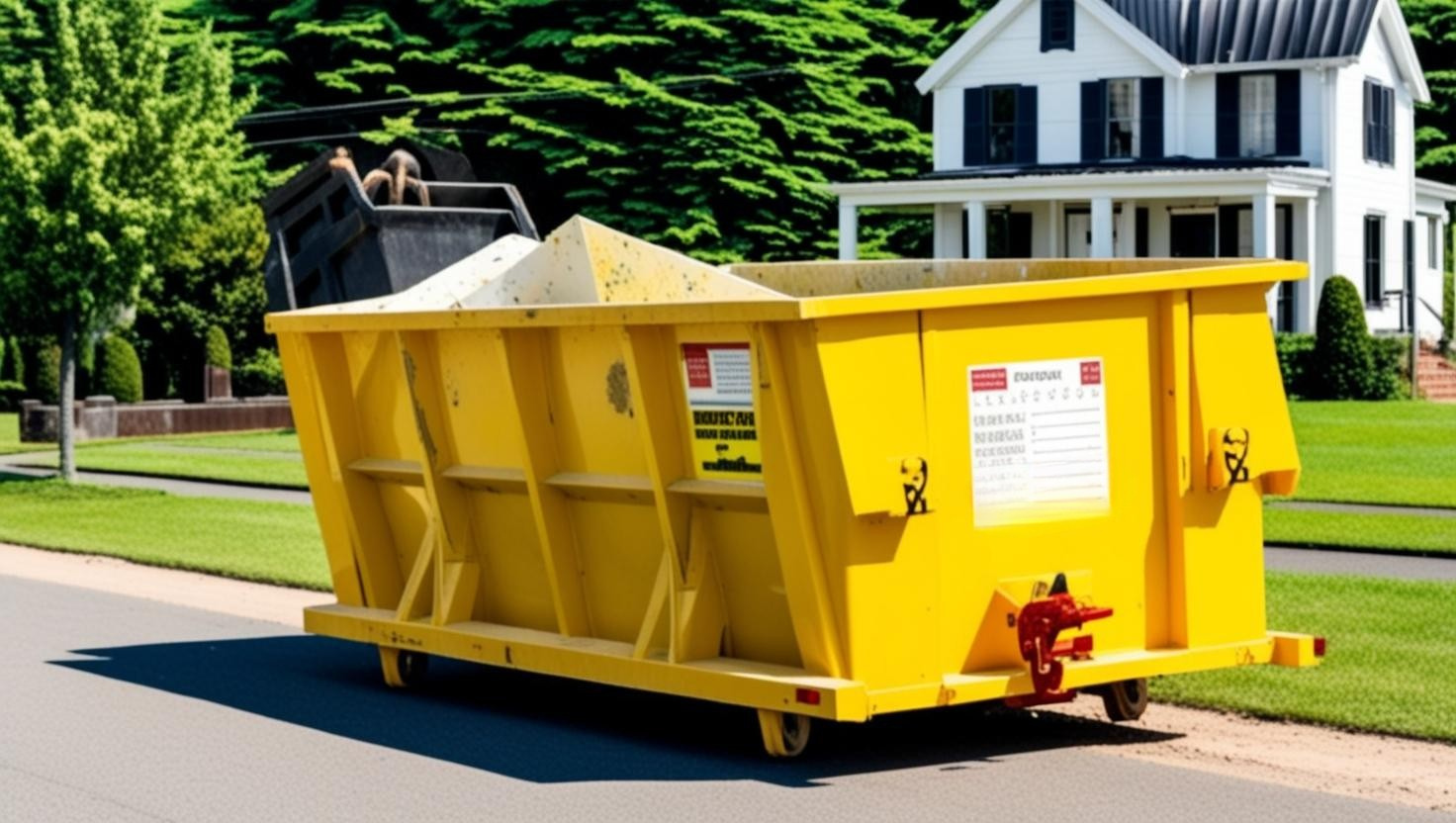
During preparation for a cleanup, remodel, or building job, a frequently ignored step is choosing the appropriate dumpster size. Most people concentrate on the main tasks but neglect how waste will be handled, impacting safety and efficiency. Choosing a dumpster that is too small may cause overflow and multiple hauls, while one that is too large may take up unnecessary space. Effective waste control begins with selecting the right container, making sure debris is managed cleanly and efficiently.
At Junk Bee Gone, we recognize the importance of this decision for your project’s success. A dumpster is more than just a bin for disposal; it is a critical tool for keeping worksites clean, orderly, and hazard-free. Assessing your disposal needs ensures that progress continues without unnecessary interruptions. The right size also reduces clutter, creating a safer environment for everyone involved. With the right approach, selecting a dumpster becomes a strategic choice rather than a guess.
Assessing the Scale of Your Job
To begin selecting a dumpster, it is important to evaluate the full scope of the job. Projects can vary widely, from small cleanouts to large-scale construction efforts. Debris levels depend on the task and the materials it generates. For example, furniture, household items, roofing, or yard waste each produces different amounts of debris. By considering the full range of waste that will be generated, you can better predict the size of the container that will serve your needs.
Think about the duration of your project as well, since longer jobs typically accumulate more debris over time. If your work involves multiple phases, such as demolition followed by construction, the waste load will change as the project progresses. Taking these factors into account ensures that the chosen dumpster can handle the total volume without interruption. This approach prevents costly delays and reduces the need for additional pickups, keeping your project on track. In the end, considering both scope and duration gives you a more accurate match for your waste disposal needs.
The Role of Debris Type in Dumpster Decisions
The nature of waste varies, making it important to identify material types before choosing a dumpster. Dense materials like bricks, soil, or concrete call for different management compared to lighter debris such as wood or cardboard. The volume of bulky debris differs even when the weight appears manageable. Misjudging this can lead to overloading or inefficient use of container space. Accurately assessing materials prevents misuse of container space.
Recognizing waste types early allows you to select a more suitable container. Think about whether the majority of waste will be construction debris, yard trimmings, or home junk. Each type of waste has unique characteristics that influence the best dumpster option. This awareness allows for better planning and helps maximize the value of your rental, ensuring that no space is wasted while also avoiding unnecessary strain on the container. Proper preparation creates balance between debris type and dumpster size, keeping the process smooth.
Considering Space and Placement
Placement of the dumpster is a key factor in selecting the right container. The container’s location must allow easy service access and convenience for workers. Oversized containers on smaller sites often create practical problems. Conversely, a dumpster that is too small may force frequent moves, slowing down progress. A balance between available space and container size is crucial for efficiency and safety.
The site’s overall layout, such as driveways or open spots, should influence the choice. Checking dimensions beforehand ensures hassle-free placement. It is also essential that the container is placed to avoid blocking access routes or creating hazards. Good positioning guarantees ease of use during the entire job, keeping disposal efficient. Effective space use contributes to steady workflow and fewer disruptions.
Determining Disposal Volume Effectively
One of the most vital steps in choosing a dumpster is properly estimating the waste your project will produce. Many people underestimate how quickly debris can add up, which can result in overflowing bins and added stress. The most effective method is to create a structured plan starting with a list of all items and materials for disposal. By splitting your project into steps and measuring waste from each, you get a more reliable estimate. Proper planning allows you to select a container capable of managing the entire project’s demands.
Imagining debris in terms of truckloads is another way to match it to container requirements. While it is easy to think that waste will take up less space, bulkier items like furniture or large boxes can consume capacity faster than expected. It is wiser to overestimate a bit, ensuring room for unplanned debris. Accurate assessment helps you pick a container that supports your project without disruptions. This preparation keeps the process manageable and avoids the stress of running out of capacity midway through.
Advantages of Selecting the Correct Dumpster
Choosing the right container size offers many benefits beyond just holding trash. A properly sized container minimizes clutter on the job site, which promotes both safety and efficiency. Crew members can dedicate more time to their actual work instead of relocating debris. Such order fosters a more professional environment by keeping spaces clear and ready. Proper container sizing translates into a safer and more efficient workspace.
A further advantage is avoiding repeated trips or additional pickups. A dumpster that can hold the full amount of debris ensures smoother progress from dumpsters near me start to finish. Avoiding repeat trips leads to better resource management overall. Most importantly, having the right dumpster size prevents frustration and allows your project to move forward without interruptions caused by waste management issues. The right choice creates steady momentum and efficiency.
Getting Expert Help With Dumpster Selection
For uncertain situations, seeking professional help guarantees better results. Professionals analyze your project and give advice rooted in extensive experience with various wastes. A trusted provider knows how to match container capacity with project demands, saving you from costly mistakes. Their insight is especially valuable for first-time renters or for those handling unusual types of debris. Professional input streamlines the decision-making process and removes uncertainty.
Junk Bee Gone has assisted countless clients in selecting the most effective dumpster size for their needs. We review your project information closely, considering both materials and expected waste volume. From there, we recommend a dumpster that combines practicality and ease of use, letting you stay focused. With our support, you gain confidence that your selection is supported by expertise. By trusting professionals, your waste management becomes simpler and more reliable.
Ensuring the Right Dumpster Decision
Selecting the correct container size is critical for efficient debris management in all projects. Looking at project scope, debris type, space available, and expected volume enables a better decision. Such measures support safety, organization, and productivity throughout the project. Thoughtful selection prevents avoidable obstacles and keeps the job running smoothly. Informed decisions about dumpster size build consistency and stability in any project.
At Junk Bee Gone, we are dedicated to helping clients make smart decisions about their waste disposal needs. Our professional experience directs you to the dumpster size that best fits your needs. No matter if the project involves renovations, cleanouts, or construction debris, we guarantee smooth and dependable disposal. With the right dumpster in place, you can focus on what truly matters: completing your project successfully. Our mission is to ensure waste management is straightforward and supports your success.